Companion Planting in Balcony Containers: Maximizing Small Spaces
Hook urban gardeners with the pain of underperforming balcony crops. Introduce companion planting as the space-saving secret, and tease a list of fail-proof pairings.
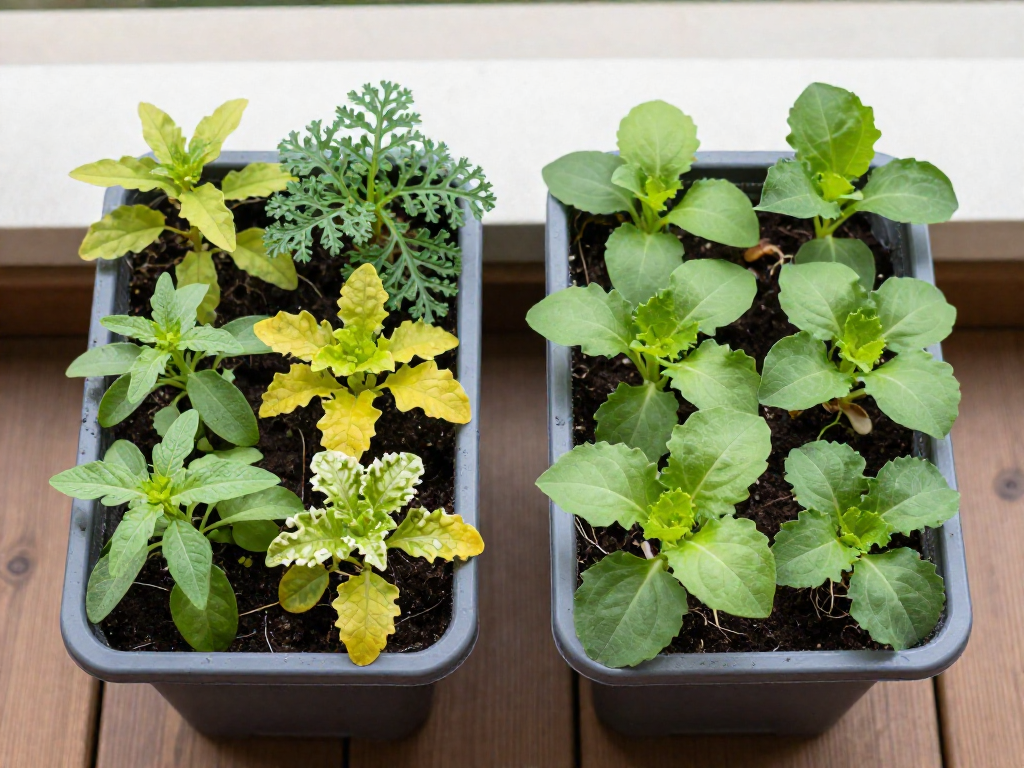
Why Companion Planting Works in Containers
Companion planting is the art of growing different plants close together so they can help each other thrive. It’s a tradition that goes back centuries—think of the classic “Three Sisters” method where corn, beans, and squash support one another. In a balcony container garden, this idea becomes even more powerful because every square inch counts.
When you pair the right plants, you get a host of benefits. Some companions naturally deter pests: marigolds release a scent that confuses aphids and nematodes, while basil can repel whiteflies from your tomatoes. Others attract pollinators—borage and lavender draw bees and butterflies, boosting fruit set. Tall, leafy plants provide welcome shade for heat-sensitive roots, and low growers like thyme or oregano cover the soil, reducing moisture loss and keeping weeds at bay. It’s a smart way to use vertical and horizontal space efficiently.
In containers, these effects are amplified because plants live in extra-close quarters. Roots intertwine in limited soil, so protective chemicals and beneficial microbes can spread more directly. Above ground, neighboring foliage creates a mini microclimate: humidity is shared, temperature is moderated, and helpful insects can move easily from flower to flower. Even the simple act of tucking a few cilantro plants around your lettuce can invite ladybugs that feast on aphids.
This proximity does mean you’ll need to choose partners thoughtfully—more on that later—but when you get it right, your balcony becomes a resilient, productive little ecosystem. Companion planting turns a collection of pots into a community, and even beginners can tap into these natural relationships for healthier plants and bigger harvests.
Top 10 Balcony-Friendly Plant Pairings
Pairing plants in the same container can make your balcony garden healthier and more productive. Here are ten tried-and-true combinations that work beautifully in small spaces:
- Tomato + Basil – Basil repels tomato hornworms and is said to improve the flavor of your tomatoes. Both love full sun and regular watering.
- Carrot + Chive – Chives help deter carrot fly, and their shallow roots won’t compete with your carrots. Plus, you’ll have fresh chives for the kitchen.
- Lettuce + Radish – Radishes loosen the soil as they grow, and their taller leaves provide a bit of shade for lettuce in warm weather. Harvest radishes early to give lettuce more room.
- Cucumber + Nasturtium – Nasturtiums attract pollinators and can lure aphids and cucumber beetles away from your cucumbers. Both are easy to grow in a deep container.
- Pepper + Oregano – Oregano acts as a living mulch, increasing humidity around pepper plants—great for deterring spider mites. Oregano also attracts beneficial insects.
- Beans + Summer Savory – Summer savory improves the growth and flavor of beans while repelling bean beetles. It’s a compact herb, perfect for container life.
- Swiss Chard + Alyssum – The tiny white flowers of sweet alyssum bring in hoverflies and other beneficial insects that prey on pests, while chard provides bold, colorful leaves.
- Eggplant + Marigold – Marigolds help control soil nematodes and add a cheerful pop of color. Choose compact French marigolds for containers.
- Strawberry + Borage – Borage attracts bees for better pollination and is said to improve strawberry yield. Its blue flowers are edible, too.
- Kale + Dill – Dill flowers attract parasitic wasps that prey on cabbage worms, protecting your kale. Let a few dill plants go to flower for the most benefit.
Experiment with one or two pairings to see what works best on your balcony. Even a single pot with plant buddies can make a big difference!
How to Fit Companions in a Single Pot Without Crowding
It’s the number one concern I hear from balcony gardeners: “If I put more than one plant in a pot, won’t they crowd each other out?” The good news is, with a few simple layout tricks, you can pack a surprising amount of productivity into one container without sacrificing health or harvest. Overcrowding happens when plants compete for light, water, and root space. By planning your container like a tiny stage, you give each performer its spotlight.
Start with the right container. For root crops like carrots or radishes, or any deep-rooted companion, choose a pot at least 12 to 14 inches deep. This gives roots room to stretch downward without tangling. Wider containers—think half-barrel size or large rectangular planters—are even better for mixing several companions, as they provide more surface area for foliage and reduce competition for side space.
When you’re ready to plant, think in three layers: tall, bushy, and trailing. Place your tallest plant right in the center (or slightly to the back if the pot will sit against a wall). A tomato or pepper works well here—they provide height and dappled shade for shorter neighbors. Around this centerpiece, arrange bushier companions like basil, marigolds, or bush beans. These fill the middle level, enjoy the filtered light, and often repel pests or improve soil. Finally, let trailing plants spill over the rim. Nasturtiums, creeping thyme, or strawberries not only look charming but also act as living mulch, shading the soil and reducing evaporation.
Spacing is where many beginners go wrong. Instead of guessing, check the mature spread listed on seed packets or plant tags. Give each plant about 4 to 6 inches of breathing room at its adult size. If a basil plant spreads 12 inches wide, it needs a footprint of about a foot in diameter—so place it at least 6 inches from the edge of the tomato’s expected canopy. Use a measuring tape when planting; it feels fussy, but it’s the secret to avoiding a tangled mess later.
A favorite trick for extra-lean balconies is to use fast-growing fillers that you’ll harvest early. Radishes, lettuce, and spinach mature quickly. Plant them in the gaps between slower companions. By the time the tomato needs that space for its expanding root system, you’ve already enjoyed a crisp salad and pulled the radishes. This “catch crop” strategy squeezes two harvests out of one season without long-term crowding.
Remember, containers dry out faster than ground soil, so more plants mean more thirst. Increase watering frequency slightly—check daily by sticking your finger an inch into the soil. With a thoughtful layout and a little attention, your single pot can become a miniature ecosystem where everyone thrives.
Companion Planting Mistakes That Hurt Balcony Gardens
Even the best plant pairings can fail if you overlook a few common pitfalls. Avoid these mistakes to keep your balcony garden thriving.
-
Piling heavy feeders into the same pot. Tomato and corn are both nutrient hogs—they’ll compete fiercely, leaving both stunted and soil exhausted. Instead, match heavy feeders with light feeders or nitrogen-fixers like beans. In containers, where root space is limited, this balance is especially critical.
-
Ignoring allelopathic plants. Some plants, like fennel, release chemicals that suppress the growth of neighbors. Tuck them in with unsuspecting companions and you’ll wonder why everything else is struggling. Keep fennel (and other notorious allelopathic herbs like wormwood) in their own separate pots, well away from the rest.
-
Pairing plants with mismatched water needs. Rosemary thrives on neglect and dry soil, while basil craves consistent moisture. Put them together in one pot, and you’ll either drown the rosemary or parch the basil. Group plants by their watering personalities—mediterranean herbs together, thirsty greens in a different container.
-
Forgetting crop rotation in permanent containers. It’s easy to reuse the same pot and soil season after season, but that invites disease and depletes specific nutrients. Even on a balcony, rotate plant families: if you grew tomatoes in that big pot last year, follow with beans or leafy greens. Refresh the potting mix with compost, and never plant the same crop in the same container two years running.
By dodging these mistakes, you’ll give your companions the best chance to cooperate beautifully in your compact garden.
3 Simple Companion Container Recipes to Start Today
One of the easiest ways to dive into companion planting is with a themed container garden. These three beginner-friendly pot recipes put good companions together in a single container, so you can harvest fresh ingredients right outside your door. Each recipe uses common plants and a pot size that fits most balconies.
Salsa Pot
Fill an 18-inch pot with a vigorous tomato plant in the center. Surround it with cilantro and bunching onions tucked into the edges. The tomato provides dappled shade, keeping the cilantro cool and slow to bolt, while the onions help repel pests. Choose a compact tomato variety labeled for containers, and set the pot where it will get at least six hours of sun daily.
Salad Bowl
For continuous fresh greens, use a wide, shallow 12-inch pot. Sow a mix of lettuce, arugula, chives, and radish seeds. Chives deter common pests, radishes break up the soil surface, and the greens coexist without competing heavily for root space. The secret is succession planting: sow a new pinch of seeds every two weeks, snipping leaves as you need them so the bowl stays productive for months.
Herb Garden
A classic trio of basil, parsley, and oregano thrives together in a 10-inch pot placed in full sun. Basil loves warmth, parsley handles a bit of shade from its taller neighbors, and oregano spills over the side as a fragrant ground cover. Pinch basil regularly to keep it bushy, and harvest parsley from the outside so the center keeps growing.
Pick the recipe that matches your cooking style, or try all three. They’re a delicious, low-risk way to see companion planting in action on your own balcony.
FAQ
What are the best companion plants for tomatoes in a container?
Basil is a top choice because it may improve tomato flavor and repel pests like whiteflies and aphids. Compact marigolds help deter nematodes and tomato hornworms, while borage attracts pollinators. Choose small varieties of these companions and plant them around the edge of a large container, with one tomato plant in the center, to ensure all have enough root space.
Can I plant herbs together in the same pot?
Yes, but group herbs with similar water and sun requirements. Mediterranean herbs like rosemary, thyme, and oregano prefer drier, well-draining soil and full sun, so they thrive together. Basil, parsley, and cilantro enjoy more moisture and can share a pot, but keep invasive mint in its own container to prevent it from overtaking others.
What plants should never be planted together on a balcony?
Avoid planting fennel near most vegetables, especially tomatoes and beans, because it releases substances that inhibit their growth. Dill and carrots should not be close, as they can cross-pollinate. Also, separate heavy feeders like tomatoes from other hungry plants that would compete too aggressively for nutrients in a limited container space.
How many plants can I fit in one 12-inch container with companion planting?
A 12-inch container can typically accommodate 3 to 4 small companion plants with shallow root systems, such as basil, marigolds, or lettuce. If you include a larger main plant like a dwarf tomato, limit the companions to 2 or 3 and place them toward the edge. Always check mature plant sizes and allow about 4–6 inches of space per plant to avoid overcrowding.
Does companion planting really work for pest control in containers?
Yes, certain companion plants can naturally help deter pests on a balcony. Marigolds release compounds that repel nematodes and whiteflies, while basil near tomatoes may minimize hornworm damage. Nasturtiums can act as a trap crop, luring aphids away from your main plants. While not a complete solution, it’s a useful organic strategy when combined with regular monitoring.
Should I use the same soil for companion plants?
When companions share a container, they must grow in the same soil, so choose a high-quality potting mix that drains well and suits all the plants’ needs. Most vegetables and herbs thrive in a nutrient-rich, loamy blend, but avoid garden soil which compacts in pots. If companions have very different moisture preferences, it’s better to use separate containers to keep each plant healthy.